

Ground reports from Jat-Gurjar-Muslim-Dalit dominated regions of Meerut, Agra, Moradabad and Saharanpur indicated that these communities have launched quiet drive to keep the region safe from communal cauldron for political reason. In 2022 election, Jats, Gurjars, Thakurs and a section of Dalit had come together to support the BJP and the region had witnessed intense communal polarization. But now ongoing low-key joint conferences of these communities, including Muslims, have reportedly brought them on one platform to ward off communal division in the run up to 2027 election, writes M Hasan.
Lucknow November 17: After politically exploiting Ayodhya imbroglio over the decades, which finally led massive empowerment of the BJP and the construction of Ram Temple in January 2024, the ruling BJP is now likely to fall back on Krishna Janmabhoomi-Eidgah mosque issue in Mathura to retain base in western UP in 2027 UP assembly elections. However, it is to be watched with interest whether Lord Krishna-centric Hindutav mobilization will politically rescue the saffron brigade in West UP.
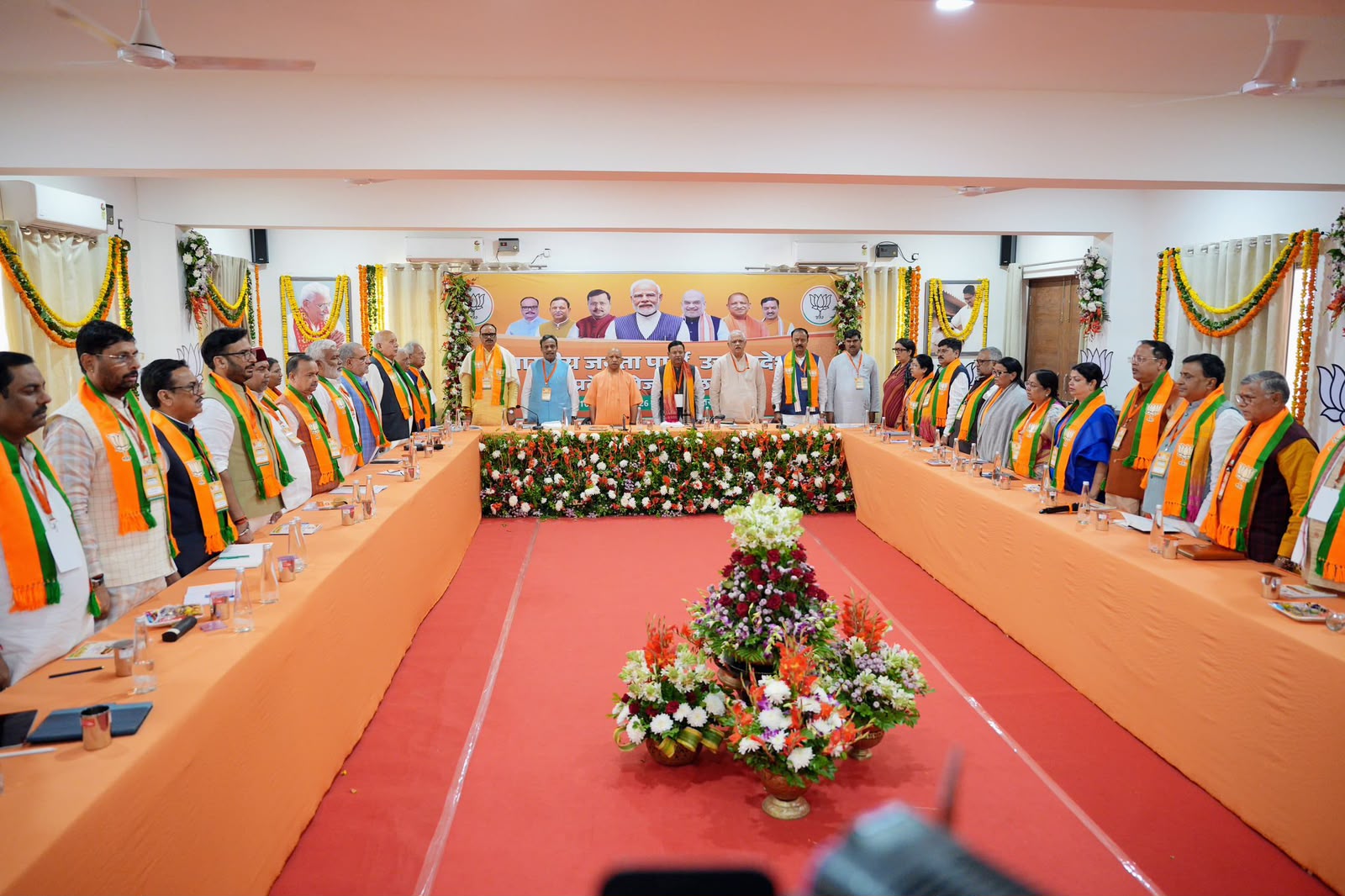
The two-day BJP meeting in Mathura which concluded on November 17 has chalked out elaborate action plan for closer coordination between the organization and the Yogi Adityanath Government. But the tone and tenor at the meeting was set by the Deputy Chief Minister Keshav Prasad Maurya who laid emphasis on construction of temple at the disputed site of Krishna Jamabhoomi-Eidgah in Mathura. The case is pending in Mathura court and slow proceedings indicated that adjudication is going to take a long time.
The BJP had swept west UP by winning 111 seats out 121 in western UP in 2022 and the victory in this region had played considerable role formation of second Yogi government. The BJP, which is facing difficulties in eastern and central UP because of bickering within the party, caste factors, including dominance of one caste in governance and perceived “Brahmin anger”, again hopes to offset the loss by retaining base in western UP by once again harping on “Hindutav agenda”.
But ground reports from Jat-Gurjar-Muslim-Dalit dominated regions of Meerut, Agra, Moradabad and Saharanpur indicated that these communities have launched quiet drive to keep the region safe from communal cauldron for political reason. In 2022 election, Jats, Gurjars, Thakurs and a section of Dalit had come together to support the BJP and the region had witnessed intense communal polarization. But now ongoing low-key joint conferences of these communities, including Muslims, have reportedly brought them on one platform to ward off communal division in the run up to 2027 election. In rural areas of Kairana, Muzaffarnagar, Saharanpur these all-castes conferences have evoked bonhomie among them, which is certainly not music to those people who are desperately trying to play communal card.
Mathura-led communal polarization is also unlikely to generate “Muslim emotional outburst” as it happened after the demolition of Babri mosque in Ayodhya. The politically marginalized community has moved ahead with its more pressing requirements of security and livelihood. The demolition and desecration of scores of mosques and other shrines during the last one decade in UP has evoked massive patience and led to silent non-violent reaction in the community. It has denied any opportunity to communal forces to react. During my last visit to Saharanpur I noticed that the vast Hindu community in the city was shocked over the demolition of a 100-year-old mosque in collectorate but was quite appreciative of calm and patience maintained by the Muslim community. The BKU chief Rakesh Tikait mentioned this fact in his comment on the issue. Moreover, the Samajwadi Party, which has solid support of the Muslim community, is cautious on not providing any opportunity to BJP to play on its “communal turf”. The SP chief Akhilesh Yadav’s plan to visit temples in Ayodhya, Mathura or any other religious place is absolutely a non-issue for the Muslim community.
After the construction on Ram Temple in Ayodhya the state government had launched hectic beautification programme in Kashi-Vishwanath temple area in Varanasi and Krishna Janmabhoomi site in Mathura. Large-scale demolition of old temples and houses in Baba Vishwanath temple area had led massive resentment among the people. It was reflected in defeat of the BJP on two seats in just-concluded Vidhan Parishad elections. The Samajwadi Party defeated the BJP in the Vidhan Parishad election. Immediately after construction of Ram temple the SP had defeated the BJP on Ayodhya seat in 2024 Lok Sabha elections. Thus people of Ayodhya and Varanasi have given enough indication about their likes and dislikes.
It is interesting to note that Congress leader Sonia Gandhi in her autobiography: Belonging- A journey of love- has also mentioned about a plan of “beautification” in Vishwanth temple area in Varanasi during the Emergency in 1975 and how it was stopped by the then Prime Minister Indira Gandhi.
Sonia Gandhi writes “sometime in August 1975 Pupul Jayakar told Mrs Gandhi of a plan to beautify the lane of Banaras leading to the ancient Shiv Vishwanth temple. Flanked by seventeenth and eighteenth century houses and many ancient shrines, it was a narrow lane through which over the ages millions of devotees had walked in the pilgrimage to reached the sacred temple. She (Mrs Indira Gandhi) was disturbed and shocked when she was told that it was part of Sanjay’s (Sanjay Gandhi) plan for the beautification of cities. Mrs Gandhi immediately brought an end to the project. Ironically, her intervention to preserved the heritage of those beautifully carved ancient shrines and buildings was undone at a stroke years later, in 2018, by the BJP- under Prime Minister Modi”. (page- 207).
(M Hasan is former Chief of Bureau Hindustan Times Lucknow)