

The term ‘development’ (as used by elected representatives of all political persuasions) seems to be the code word for corruption, illegal amassing of wealth, discrimination between supporters and non-supporters, partisanship in governance and flouting of Constitutional values of justice and equality embodied in the Indian Constitution. Ethicality in our political persons and processes has been rendered non-existent. Hypocrisy reigns supreme as the concern for achieving ‘development’ is openly bandied as the reason for resorting to what is really shameless immoral opportunism and paths to less than honest financial gain writes Sunil Kumar, a former civil servant.
We live in changing times. Our elected representatives switch parties, after getting elected, without batting an eyelid! Their betrayal of the voter by this act does not appear to matter to them in the least. We are currently witnessing this turncoat behaviour in West Bengal and Maharashtra. MPs and MLAs belonging to the Trinamool Congress (TMC), Shiva Sena (UBT) have staged large-scale desertion in the past two months. Now, reportedly, the Nationalist Congress Party, Sharad Pawar group (NCP-SP) MPs and MLAs are in the queue. The whole process is generally described as ‘Operation Lotus’ (and the Bharatiya Janata Party (BJP) has not objected). We have witnessed this political phenomenon in action in Goa, Karnataka, Madhya Pradesh, Himachal Pradesh and Haryana on a large scale and to a lesser degree in Rajasthan, Uttarakhand and Jharkhand.
The trend has acquired a new dimension in the last decade or so although the seeds were sown almost fifty years ago. In January 1980, the Janata Party government of Haryana led by Bhajan Lal had switched over to the Congress party after Indira Gandhi was voted back to power. Wholesale transfer of state government from one party to another (mostly aligned to the ruling party/alliance at the Centre), without recourse to fresh elections, has been widely practised in the North-East over the years, especially in Arunachal Pradesh.
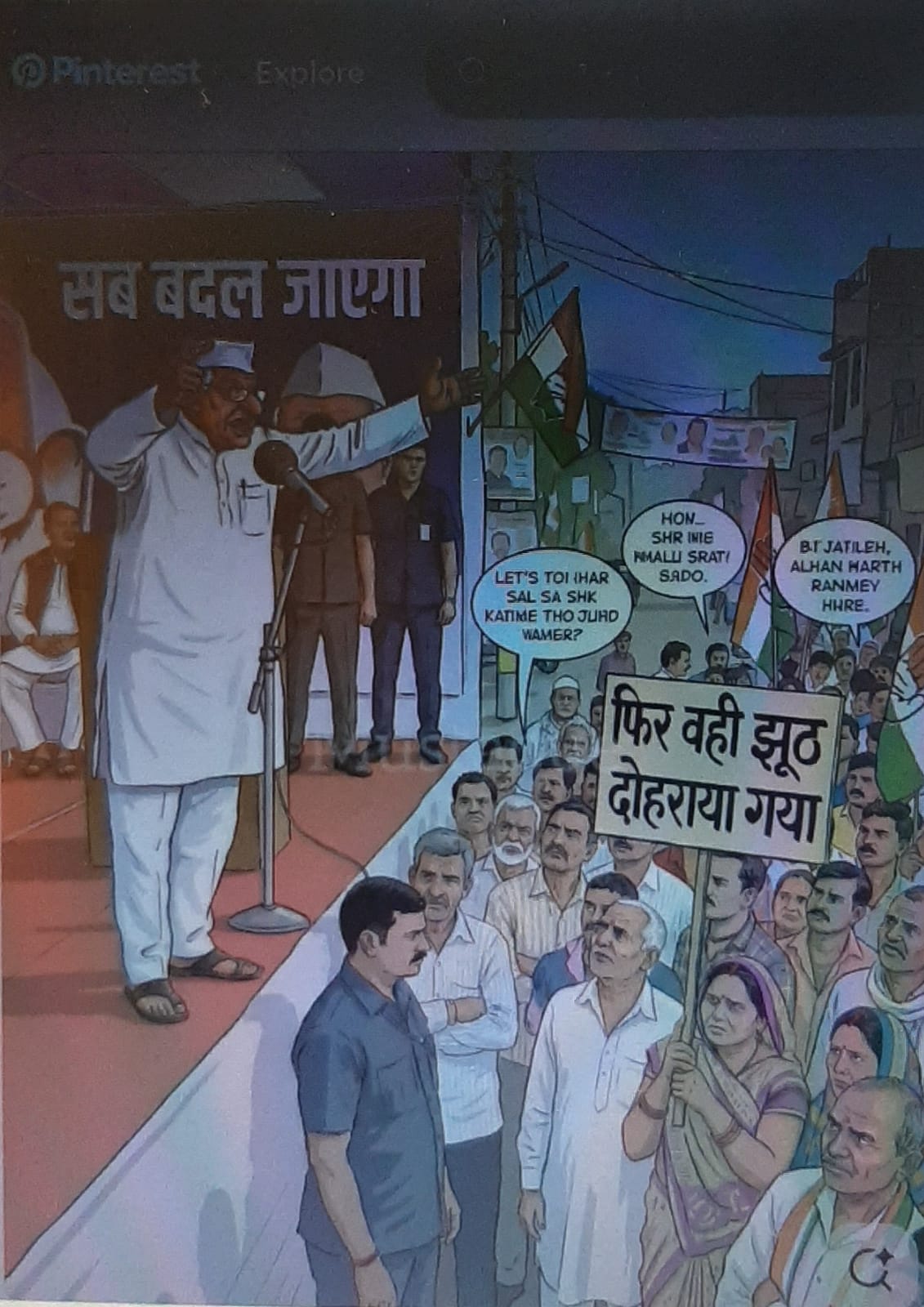
The public justification provided by the MPs and MLAs switching parties invariably hinges on the need and desire to ensure ‘development’ of their constituency. One Maharashtra Shiv Sena (UBT) MP reportedly held public consultation with his supporters (all within 24 hours) before announcing his decision to switch over to Shiv Sena led by the Deputy Chief Minister Shri Eknath Shinde. The need to be with (or on the right side of) the ruling dispensation can be discerned from the justifications proferred by the TMC MPs and MLAs and seems to be in the air on behalf of NCP (SP) MLAs and MPs. This phenomenon is much more widely prevalent in the Urban Local Governments and in the Zilla Parishads and Block Panchayats. It seems that elected leaders have come to believe that the train of ‘development’ can only be hauled by ‘double engine’ and sometimes even ‘triple engine’ governments. Should we, the electors, be moved and touched by this great concern for ‘development’ expressed by our elected representatives, even at the cost of betrayal of our trust? Perhaps we should cease to cavil, small-mindedly, over such issues as vitiation of the spirit of democracy, abuse of political power, blatant disregard for principles of ideology and an unabashed show of absolute opportunism on the part of our elected leaders. Seemingly, these are petty issues in the face of the supreme commitment to ‘development’.
The whole notion of double engine government (same party being in power in the Centre and the States) for ensuring rapid development was put forth from public platforms by Mrs. Indira Gandhi in the 1970s. Wholesale dismissal of governments led by opposition parties in the States and imposition of President’s Rule under Article 356 of the Constitution by the Janata Party government in 1977 and by the Congress Party government in 1980 took this process a step further. The abuse of powers vested in the Union Government under Article 356 of the Constitution continued unabated till the Supreme Court (SC) judgment in the S.R.Bommai case put a brake on this. The Anti-Defection Act of 1985 had tried to put an end to the ‘Aya Ram and Gaya Ram’ phenomenon where individual MPs and MLAs switched sides. However, by 2015 political parties had found ways to beat the system, as exemplified by Operation Lotus. The Supreme Court singularly failed to stop the subversion of the Constitution (in spirit, if not in letter) when it avoided taking any action against the State Government that had illegally1 assumed power in Maharashtra.
To come back to the issue of ‘development’ (around which the whole process of changing sides by elected representatives revolves), it may be good to take a look as to how development schemes are conceptualised and implemented. With the formal discontinuation of the planning process in the Centre and the States through winding up of the Planning Commission and termination of the 12th Five Year Plan in 2014 (and with States following suit), the whole concept of planned development took a back seat. Earmarking and release of funds for development projects slowly acquired a ‘discretionary’ form where much depended on the directions of the political masters and funds were not assigned exactly where they were most needed. Thus, today we have a situation where MPs and MLAs belonging to opposition parties feel that flow of funds for development in their constituencies virtually dry up and officials are in no position to help. Earlier, the political leadership would not only provide the leaders of opposition parties the opportunity to speak in the House but would also go out of their way to ensure that ‘development’ works were sanctioned and implemented in their constituencies. Whether, however, this colours the political defections in a more altruistic light is an altogether different question though ostensibly it could be said to do so.
The partisan approach has been taken to the next level by the ruling dispensation in the last decade both in the Centre and the States. Exhortations in election rallies do not stop at appealing to voters to support candidates of ruling party. We had the spectacle of the Prime Minister openly asking the people rhetorically in an election rally in Bihar during 2015 State Assembly elections to name the size of the economic package that would change the ‘face and fate of the state’ which would be released by the Centre to the State provided they voted for the ruling NDA. Starting from Rs.50,000 crore, the PM finally stopped at a figure of Rs.1.25 lakh crore. However, as BJP lost the 2015 elections, there is no record to show whether this economic package was ever released to the state.
The arbitrary exercise of discretionary power of the Union Government to cut off funds to States is borne out by the way in which release of MGNREGS funds to West Bengal were stopped by the Ministry of Rural Development in 2022 under Section 27 of the MGNREGA (soon after the electoral defeat of BJP in the 2021 Assembly elections) citing widespread allegations of financial irregularities, fake job cards, and non-compliance. No funds were released for three years. After directions to release funds to West Bengal were issued by the Calcutta High Court, the Centre went in appeal to the Supreme Court. The Supreme Court dismissed the appeal on October 27, 2025 and held that funds could not be withheld indefinitely and ordered the Centre to release the dues and resume operations. Instead of complying with the SC orders, Government of India suddenly rescinded the MGNREGA and replaced it with VB-GRAMG Act 2026. Now that BJP has been voted to power in West Bengal, it is hardly a surprise that Central funds have begun flowing to West Bengal. Notwithstanding the alleged financial irregularities, it should come as no surprise if all past dues of MGNREGA workers are cleared within the next six months!
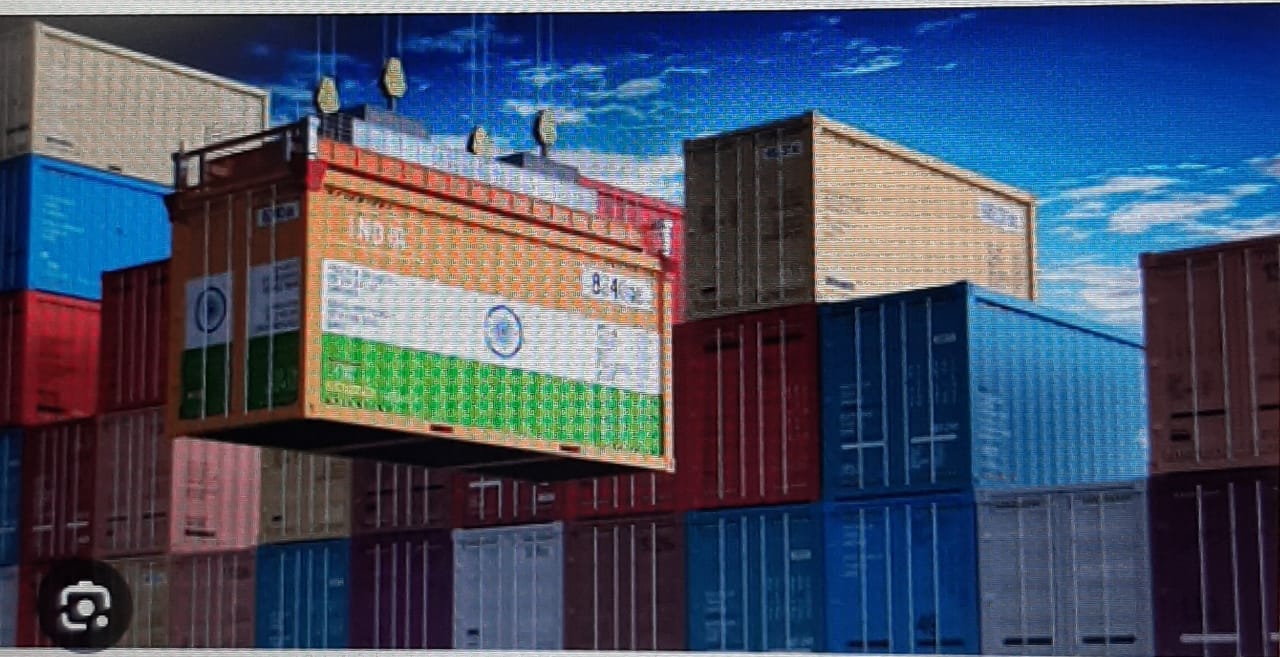
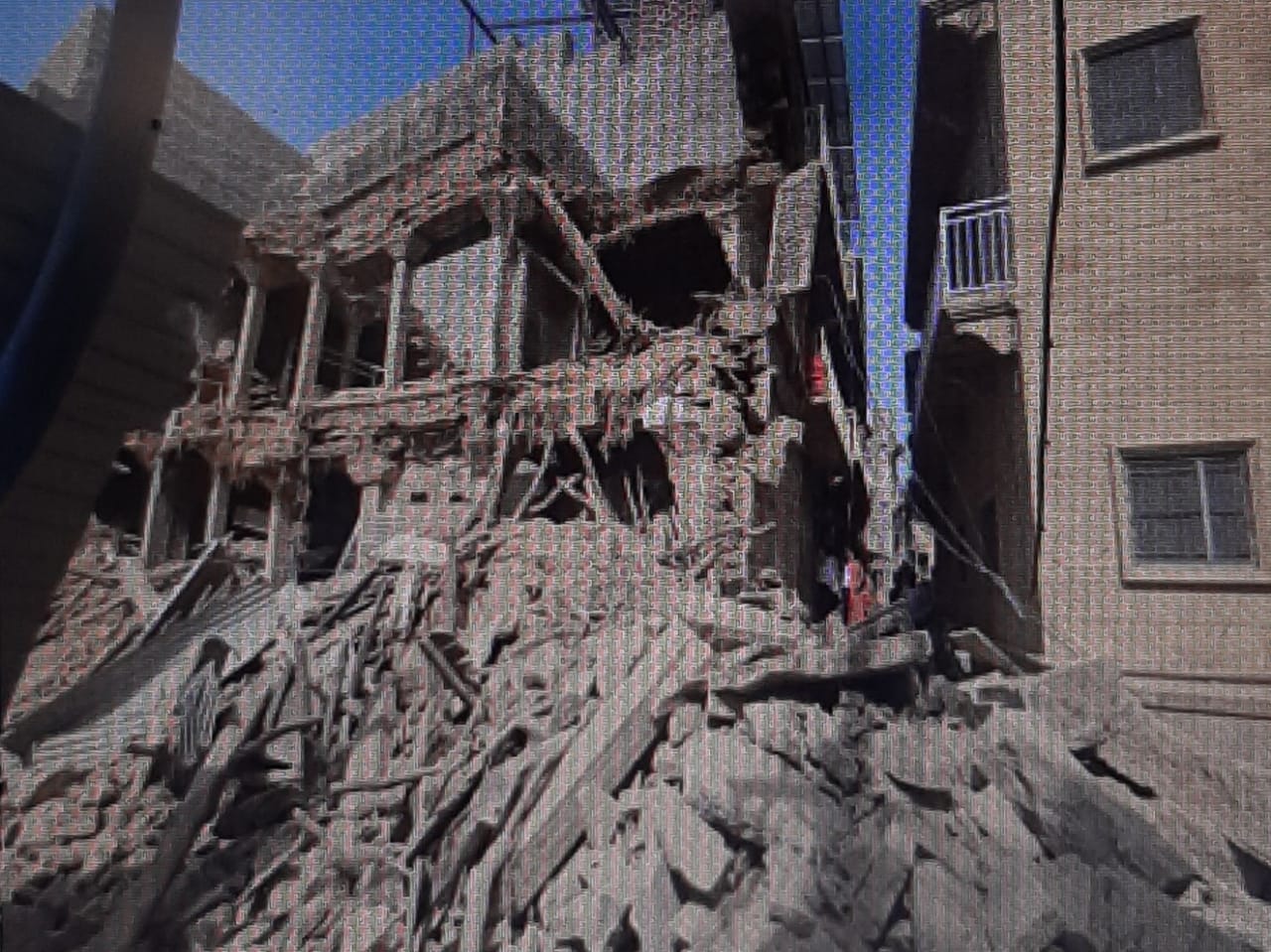
Assuming charitably that the decisions of elected representatives to switch allegiance is ostensibly to ensure development of their constituency, it may be important to note that in the main it is large civil works which constitute ‘development’ in local parlance. Education and Health facilities hardly find place in the development agenda. These days it is glittering expressways (built at an average cost of Rs.100 crore per km), flyovers, metro projects (Rs.250-500 crore per km), river front development, large dams and canal works, drainage systems, roads and residential and commercial towers which pass off for development. Even if schools and hospitals are constructed, the focus is on civil construction and procurement of furniture, diagnostic machinery rather than posting of trained teachers, para medics, lab technicians, nurses and doctors. Teachers and doctors will find their way in long after ‘development’ has already occurred.
Development is not confined to works undertaken by the Government alone. Permissions to builders and private parties to undertake civil construction works also means ‘development’ as understood by politicians, builders, officials, contractors and even the lay public. It means commissions which do not entail any social opprobrium. These permissions are more easily forthcoming if MLAs and MPs backing the projects happen to be aligned with the ruling alliance/party.
In the digital age, the focus has also shifted to direct transfer of benefits to individual beneficiaries by the Government. Technology exemplified by JAM (Jandhan, Adhaar & Mobile trinity) has reportedly eliminated human intervention and thus done away with corruption as funds get transferred into bank accounts of beneficiaries at the click of a button. This view does not take into consideration existence of ‘mule’ accounts or wrong accounts being linked to beneficiaries. However, it has also made it so much easier to keep beneficiaries residing in constituencies represented by leaders of opposition parties out of the purview of the schemes. Their names can be excluded by design and explained away as ‘technical glitz’ in the system as and when such discrepancies come to light. MPs and MLAs can ensure that only their ‘supporters’ figure in the list of beneficiaries and all those who did not vote for them are kept away. This has been testified by statements of MPs and MLAs who no longer see themselves as representing all residents of their constituency.
Thus, the term ‘development’ (as used by elected representatives of all political persuasions) seems to be the code word for corruption, illegal amassing of wealth, discrimination between supporters and non-supporters, partisanship in governance and flouting of Constitutional values of justice and equality embodied in the Indian Constitution. Ethicality in our political persons and processes has been rendered non-existent. Hypocrisy reigns supreme as the concern for achieving ‘development’ is openly bandied as the reason for resorting to what is really shameless immoral opportunism and paths to less than honest financial gain. Ironically and tragically, the much-touted world’s largest democracy has thrown democratic principles and processes to the winds on the false pretext of promoting people’s welfare. ‘Development’ of whatever kind, obtained through the wrong means of hypocrisy and deceit, can only harm democracy and betray the people.
(Sunil Kumar is a visiting Senior Fellow associated with Centre for Cooperative Federalism and Multilevel Governance in Pune International Centre and a former civil servant. Views expressed are personal.)
1 Supreme Court judgment delivered on May 11, 2023 in Writ Petition (C) No. 493 of 2022, Subhash Desai v. Principal Secretary, Governor of Maharashtra &Ors.