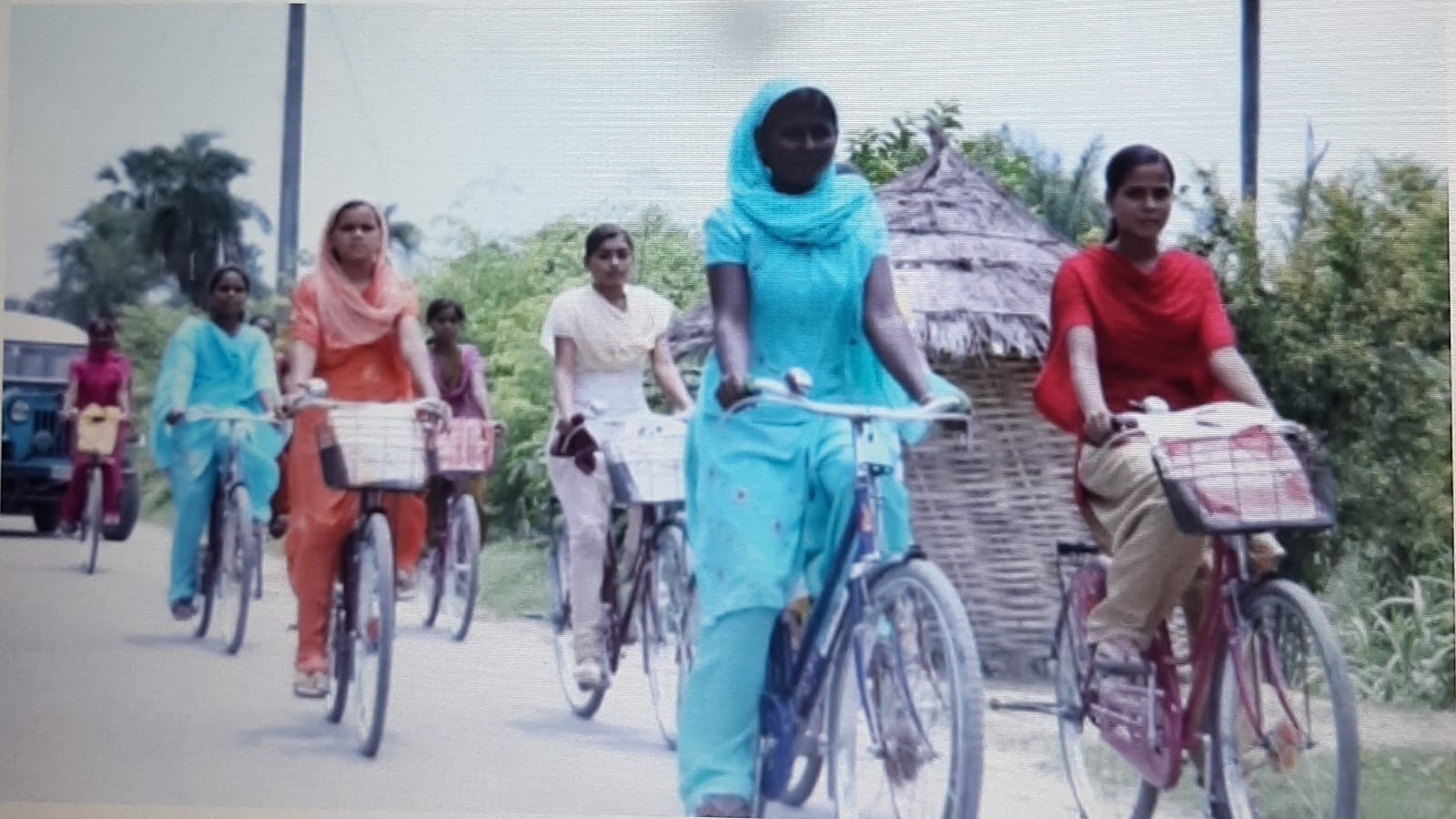


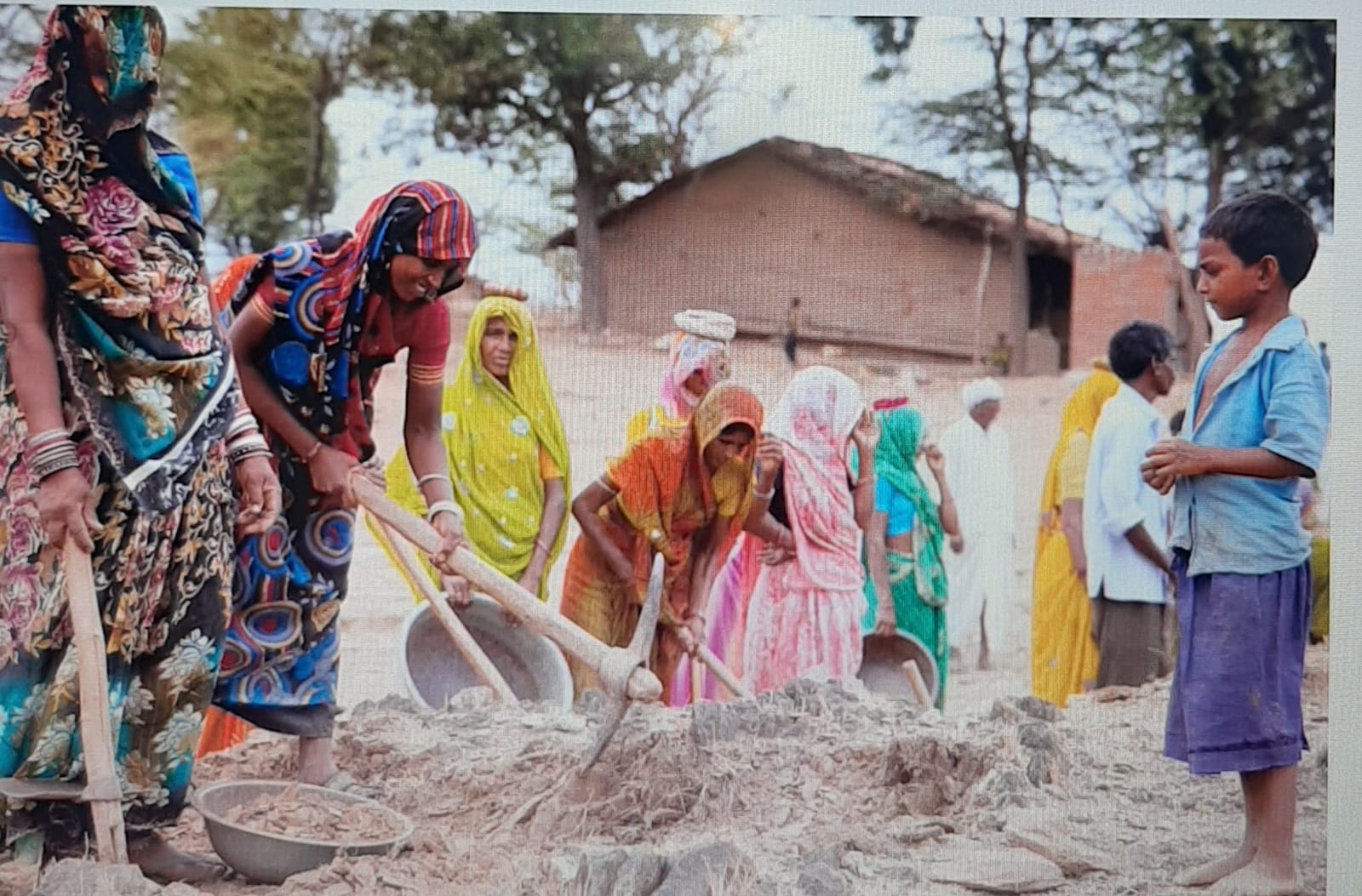
The UPA government had launched the scheme in 2006 with all good intentions to reach out to jobless people in the rural areas. But its implementation by state governments along with village level official machinery had turned out to be massive drain on state exchequer. The way the funds were misappropriated at the grassroots level during the last 20 years, it had become “most corrupt” scheme ever lunched by the centre. Now VB-G RAM G funds will be at the disposal of the same corrupt official machinery, writes M Hasan
Lucknow December 16: After nearly a decade of exercise to kill UPA government’s flagship rural job scheme- Mahatma Gandhi National Rural Employment Guarantee Act (MGNREGA), the NDA government has finally decided to replace it with new similar scheme- Viksit Bharat Guarantee for Rozgar and Ajeevika Mission (Gramin) (VB-G RAM G) Bill, 2025.
While the motive of the new scheme is same as it was in UPA government’s plan to provide employment to people in rural areas, there are some amednments including change in the name. While UPA scheme was named after Mahatma Gandhi, NDA has given a new nomenclature- VB G RAM G. How it will be pronounced in rural area is anybody’s guess. The new scheme has also envisaged complete control of monitoring by the central government with just 60% of total federal funding. The states would have to cough up remaining 40% of funds and in case of excess expenditure the state governments would be liable to bear the additional funds.
However, the basic question is about the complete elimination of massive corruption in utilization of huge funds at the lower level for which the scheme had been identified during the last two decades. Thus, honest and transparent social audit of the present scheme is required with the assessment of its viability before going ahead with new similar Saffron mega rural job plan. Already huge government fund had gone down the drains during the last 20 years.
The UPA government had launched the scheme in 2006 with all good intentions to reach out to jobless people in the rural areas. But its implementation by state governments along with village level official machinery had turned out to be massive drain on state exchequer. The way the funds were misappropriated at the grassroots level during the last 20 years, it had become “most corrupt” scheme ever lunched by the centre. Now VB-G RAM G funds will be at the disposal of the similar corrupt official machinery.
Notably, the draft bill aims to provide a statutory guarantee of 125 days of wage employment per financial year for every rural household whose adult members enroll for unskilled manual work. Under the new proposal, the centre-state fund-sharing ratio will be 60:40 for all states and Union territories with legislatures. However, north eastern states, Himalayan states, and UTs such as Uttarakhand, Himachal Pradesh, and Jammu and Kashmir will have a 90:10 ratio.
MGNREGA works were scattered across many categories without a robust national strategy. The new act focuses on 4 major types of works ensuring durable assets that directly support water security, core rural infrastructure, livelihood-related infrastructure creation and climate adaptation. The new Act mandates Viksit gram panchayat plans, prepared by panchayats themselves and integrated with national spatial systems like PM Gati-Shakti.
During the 20 years of its existence there were just two CAG audits (2007-08 and 2013) with one social audit in 2016. The CAG in its very comprehensive report in 2013 had largely indicted the implementing agencies about irregularities, misappropriation of funds and failure to achieve the target. There are large numbers of reports from rural areas about how the village functionaries in league with officers bungled the funds.
The 2013 CAG report had come down heavily on the then UPA government and noted that there had been a “significant decline” in per rural household employment generation in the previous two years and “substantial decline” in the proportion of works completed. It also said that Bihar, Maharashtra and Uttar Pradesh, which together account for 46% of the rural poor, utilised only about 20% of the Central Scheme funds which indicated that the correlation between poverty levels and implementation of MGNREGA was not very high. It also noted that “monitoring at the central level was unsatisfactory.”
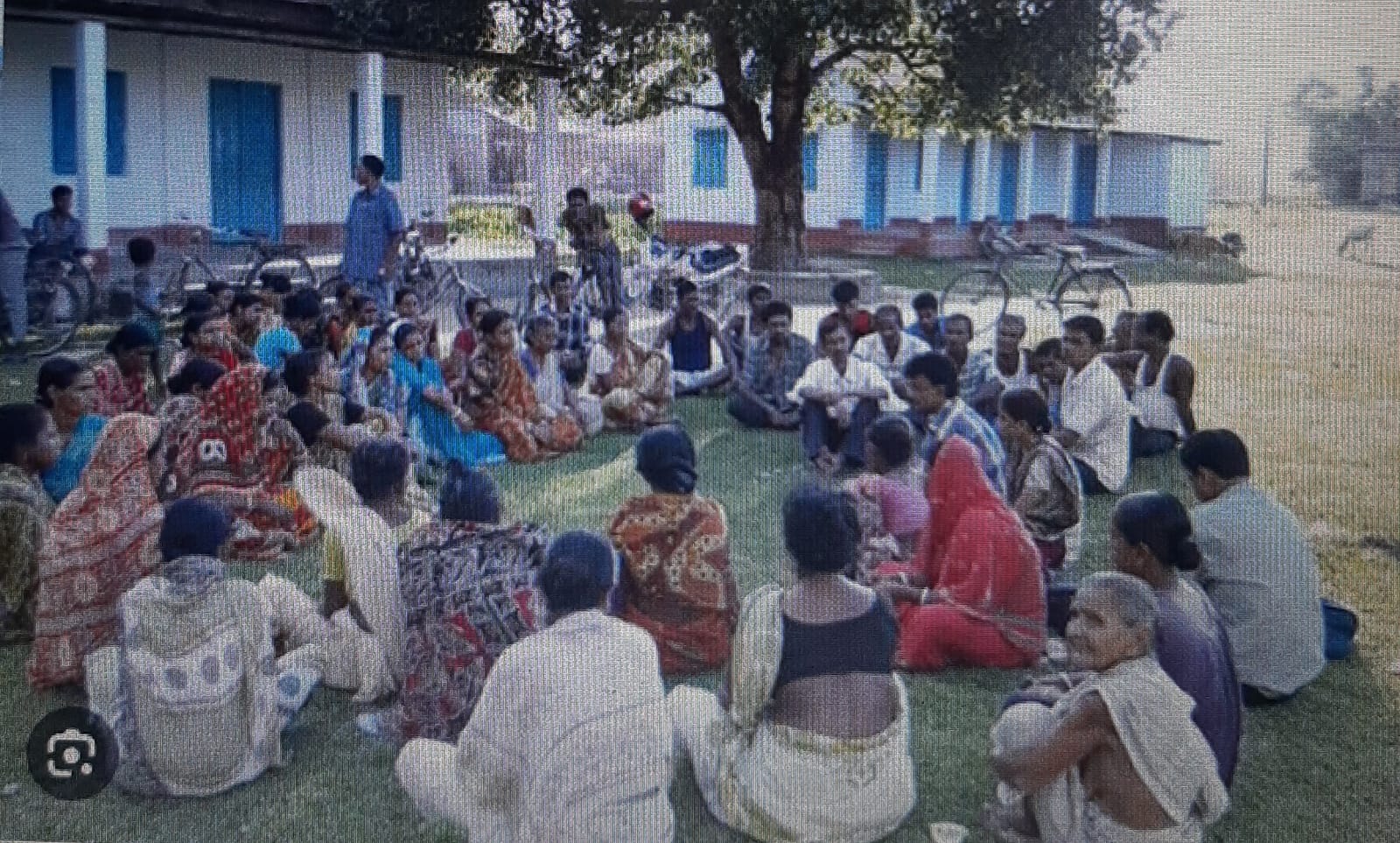
The 2016 report examined the functioning of Social Audit Units under MGNREGA. Social audit is described in the report as verification of the implementation of a programme/scheme and its results by the community with the active involvement of the primary stakeholders. It is mandated under the Mahatma Gandhi National Rural Employment Guarantee Audit of Schemes Rules, 2011. The rules were framed by the Ministry of Rural Development in consultation with CAG. The rules provide for the state government to facilitate identification and creation of independent organisations i.e. Social Audit Units (SAU), process of conducting these audits and obligations of persons related to the audits. This report had noted several irregularities including that SAU had not been set up in seven states, while in eight states they were set up but not functional. It also noted a shortage of resource persons to carry out such Social Audits, among other findings. Despite the scheme’s inbuilt mechanism to combat such corruption — the social audit units meant to detect any cases of malpractice — has not been backed by the effective recovery of embezzled funds.
While during the last few years MNREGS was being starved of central funds several opposition ruled states like West Bengal have accused the Union government of non-release of funds under the scheme. According to information central government owed the highest amounts to states: Rs 2,770 crore is owed to West Bengal, followed by Rajasthan (Rs 979 crore) and Bihar (Rs 669 crore).
(M Hasan is former Chief of Bureau Hindustan Times Lucknow)