

The solution of the myriad problems facing our populace lies in making the elected governments accountable- not in desperately approaching other institutions which were mandated to provide specific services. The sooner the people understand it, the better it will be for our nation. Electors have to dump nonperforming governments which are experts only in abdicating their responsibilities, brazenly reneging on their commitments and creating grand narratives to cover up their failures writes former IAS officer V.S.Pandey
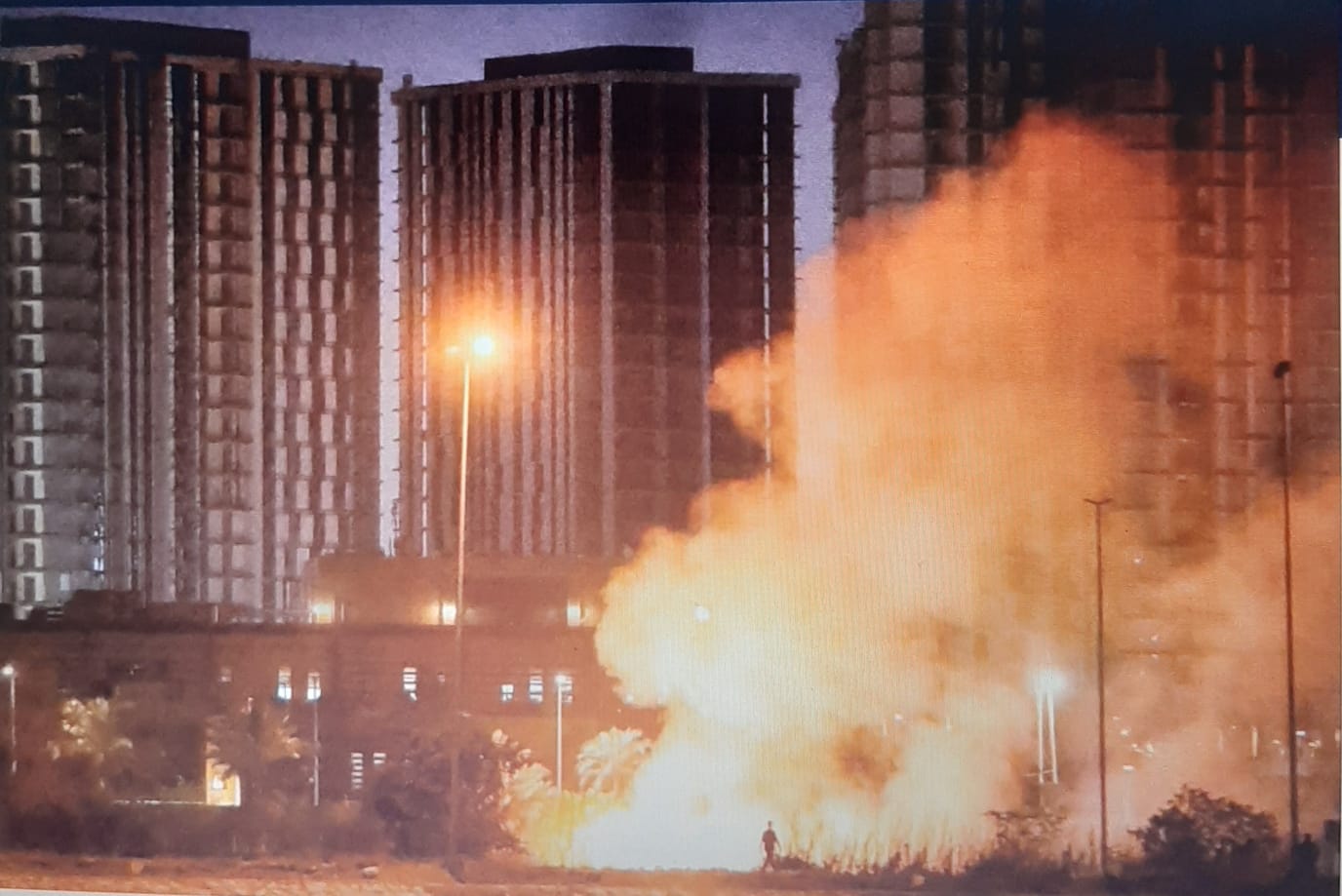
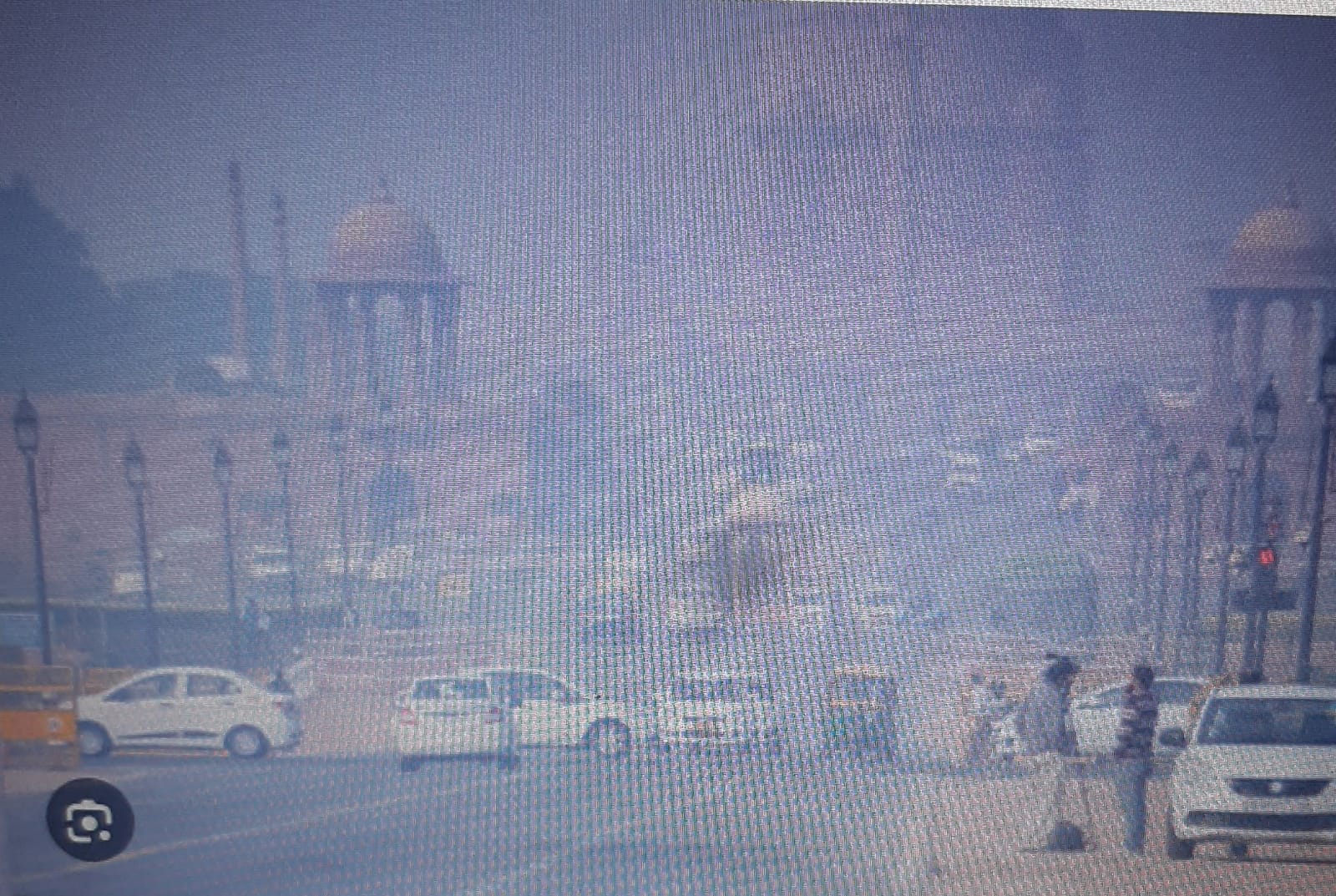
Democracy is government of the people, for the people and by the people. Our Constitution, the ultimate rule book, saliently proclaims the sovereignty of the people of India. It means public affairs are to be run and managed by those who owe their existence to the people. Distortions abound- there are many institutions today deciding public issues which have no accountability towards the citizens. Tackling the pollution issue in Delhi is one such instance, out of many, where “Appointed” people call the shots and have the final say. The problem of pollution has attained critical dimensions, cities have become gas chambers, smog refugees are on the rise but tragically, despite the occasional hue and cry, this crisis has largely remained unresolved. Why?
The system has failed to respond adequately and address this grave issue for decades. Why single out Pollution alone – have we succeeded in resolving any major problem, in the past decades or so? Critical development metrics -whether the poor quality of education, health services, sanitation, justice system, poverty, and mother of all problems – corruption, our national report card remains dismal. The problem of pollution has added just one more to this long list of failures. Should we be still wondering why we are failing to tackle the problem of extremely poor air quality in NCR. It has become our national habit to tolerate, evade our civic duty of interrogating power, adjust and willfully divert ourselves by the various opiates provided by governance.
When governments fail, others rush to fill the vacuum, Courts, NGO’s, public spirited people, PILs, etc. take up the cause. Through this complicated route we have birthed the omnipotent “Empowered committee”. Even after years of interventions by the Supreme Court, innumerable orders, and regular monitoring, Delhi’s air quality remains extremely poor most of the time, even turning terribly unhealthy in winters. For decades, several people have filed petitions in the Supreme Court, resulting in several judicial verdicts leading to solutions like vehicles converting to CNG fuel, closure of many polluting industries etc. It has not resulted in improving the quality of air in Delhi to any significant level. In the 80s, a series of petitions were filed for this purpose. Serious action on this front began in November 1996, when the court ordered closure and relocation of hundreds of industrial units operating illegally in residential areas. Nearly 1,300 highly polluting industries and all 246 brick kilns identified within Delhi were shut or moved.
In 1998, an empowered, Environment Pollution (Prevention and Control) Authority (EPCA) was created to monitor industrial fuel use, vehicular norms, landfill fires, and dust pollution. In October 2020, EPCA was dissolved and replaced by the statutory Commission for Air Quality Management (CAQM) to monitor and manage air quality in the Delhi-National Capital Region (NCR) and before that, in 2016, the National Green Tribunal (NGT) orders led to the Graded Response Action Plan (GRAP), implementation from 2017. Despite all these court interventions on a regular basis, the air quality even today remains alarming. The question is why the governments do not act on their own? Why is it forcing the hapless public to approach courts- when clearly it is not the job of courts to control pollution ,
Obviously governments should act and resolve public issues. Where is accountability? Who is deciding public policy matters like scrapping of 15-year-old vehicles, closure of schools and such other decisions? Should the empowered committees and NGT be allowed to decide public policy matters or an elected government? Should age of a vehicle be the determining factor for scrapping of old vehicles or the level of pollution generated by the vehicle? It is akin to the sidelining of Rohit Sharma and Virat Kohli’s because of their age, ignoring their mammoth and unparalleled ongoing feats in the domain. Fortunately, through a recent order, Supreme Court has overturned the mindless decisions taken in this regard in the past leading to scrapping of millions of vehicles mindlessly in a poor country like ours, and allowed plying of older vehicles subject to their passing the pollution test.
The bottom line is public policy issues should be the sole domain of elected governments and should never be decided by courts or empowered committees manned by appointed people. This is the call of democracy. Governments must start working seriously towards solving the problems being faced by the public. The past experience of performance of our elected governments has been very disappointing. I recall that a respected Former Chief Justice of India had warned me, during a deliberation, on filing of the famous PIL on black money, in which I was one of the petitioners before the SC , that these are public policy issues and they fall in the domain of only the elected governments. The governments must be forced by the electors to act and the courts should not be burdened with public policy matters. He opined that unnecessarily burdening the courts with policy related issues which strictly fall in the executive domain, will ultimately lead to the weakening of the judicial system. This is what seems to be happening gradually.
The solution of the myriad problems facing our populace lies in making the elected governments accountable- not in desperately approaching other institutions which were mandated to provide specific services. The sooner the people understand it, the better it will be for our nation. Electors have to dump nonperforming governments which are experts only in abdicating their responsibilities, brazenly reneging on their commitments and creating grand narratives to cover up their failures. The ‘Chalta hai’ attitude of the elected and electors needs to be junked and the message of the electorate has to be strong and clear -perform or perish. Polluted governance will not provide a clean healthy ecosystem -only a clean government can.
(Vijay Shankar Pandey is former Secretary Government of India)